
Support without steering
Last week, I spent part of the afternoon in a hotel corridor in Riyadh, waiting for a meeting to finish.
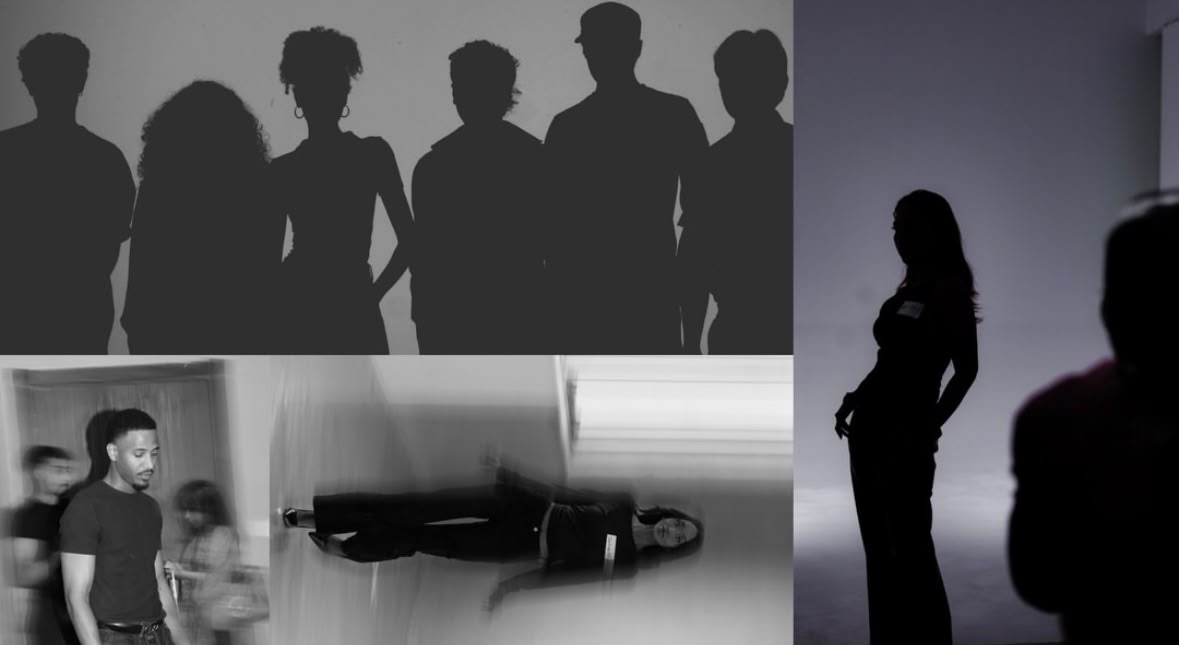
The Riyadh Creative Society, whose organisers include Alanood Khaled and Ahmed Faisal, had planned to shoot in a prestigious location at the InterContinental Riyadh, for one of the shoots in a larger Saudi fashion publication. The project brings together designers, photographers, models and many others from a growing community of Saudi creative professionals.
The desired location was still in use, and other spaces needed the hotel’s consent. So a designer, a photographer, a model, stylists and a handful of young organisers waited. They checked their phones, adjusted a hem, and waited some more. In the end, only four were allowed in. They had arrived hours earlier.
I was there with Hisham Abahusayn - Chair of the Fashion Photography Committee, Saudi Fashion Association, a passionate co-initiator, and the lead photographer for this first shoot - with a simple question in mind: what does it actually take to make a community-driven project like this happen?
What I saw
When the shoot finally moved, everything turned around a single click. Every person had a distinct job, and they were all doing it at the same moment. The designer was there in person, following every frame and deciding which photos stayed. That wasn’t ego. It was care.
One of the organisers told me that 60 to 70 percent of their time goes to solving problems. A model runs late. A makeup artist doesn’t show. A photographer gets impatient when preparation drags. None of it is paid, and most of the team has other jobs, and not all of them in the creative industry. They’ve kept this up for more than a month, with several shoots a week across several locations, and plan to finish shooting by the end of November and publish by the end of December or early January. Ambition isn’t in short supply.
When I asked why, the answer wasn’t money or exposure. It was ownership. They see the project as something the community owns, and something that will give back to that community later.
The detail that stayed with me most: everyone involved will be credited in the publication by name and contact. Not only the designers and photographers, but the makeup artists, the hairstylists, the writer and the production crew. Nobody stays anonymous, unless they choose to. Many of the makeup artists usually work in salons or at weddings. Some of the models weren’t even aware, twelve months ago, that they could help showcase Saudi creativity the way they do today. For some of them this is a first step into fashion, and they’ll have pages of their own in a document that lasts. One emerging photographer trained as an architectural engineer and is now following her creative passion through film photography.
Why this matters now
There is a lot of institutional energy in the Saudi creative economy at the moment: commissions, associations, programmes, funds. That is real, and it matters.
But standing in that corridor, I was reminded that careers aren’t only built through programmes. They’re also built in places like this, which are messy, fast and self-organised. With this many shoots and brands lined up, a production team’s portfolio grows in weeks rather than years. A salon stylist becomes a fashion makeup artist almost by chance. A team learns to trust other creatives under pressure, because there’s no other option. Friends who studied engineering or finance come along and suddenly understand what fashion work, editorials and promotion involve. Yes, there are experienced creatives around them, but together they’ve created a live learning space and professional accelerator that they, and the community around them, can benefit from for years to come.
I’d call that entrepreneurship, even if nobody in the room would use the word. It’s people building something before anyone hands them permission or a budget.
Next to, not against
It would be easy to frame this as grassroots versus institutions. I don’t think that’s right, and this project shows why. The Fashion Association is part of the collaboration network. Adhlal is involved too. Bottom-up work doesn’t happen in a vacuum.
What I’d say instead is that they move at different speeds and come from different kinds of ownership. Institutions bring infrastructure, access, continuity and reach. Community initiatives bring speed, trust, taste, and the sense that the work belongs to the people doing it. Each needs the other.
The friction starts when support turns into direction. The team has a clear rule about this: sponsorship is welcome; steering the creative isn’t. A client shoot works differently: it comes with set expectations, people to involve and a message to convey. That’s the commercial side of creativity, and it’s much needed too.
This initiative runs on the purpose and passion of its initiators and everyone taking part. Yes, there are expenses to cover, locations to curate, approvals and licences to obtain. They’ll work it out. Patience opens doors, and each open door makes the next step possible.
THE TEAM’S RULE
Sponsorship is welcome. Steering the creative isn’t.
Support it fully, and leave the creative decisions to the people making it.
I’ve been thinking about their rule ever since. It’s one of the clearest descriptions I’ve heard of how institutions and funders could relate to grassroots work: support it fully, and leave the creative decisions to the people making it.
The uncomfortable part
I don’t want to romanticise this. Unpaid work on top of a day job doesn’t last forever. Passion covers a lot of gaps, but it’s mostly the people with time and few obligations who can afford to give it. If the ecosystem leans on that energy without ever rewarding it, it will keep losing people just as they become really good.
So the question isn’t whether grassroots initiatives are valuable. They clearly are. The question is how they get support that doesn’t cost them the independence that makes them work in the first place.
Where Adhlal stands
At Adhlal, our role in projects like this is to observe, document and connect, not to own. We, together with students we invite to join us, are shadowing the production team. We want to learn from the participants how they deliver productions like this, and what it takes to build a creative career, and a creative business, in the Kingdom. When we share what we learn, our contributors will be credited, the same way this team credits everyone in its upcoming publication.
We want to understand this layer of the ecosystem properly, because much of the future of the creative economy is being shaped in it.
An open question
If you build, fund or run creative initiatives here in the Kingdom: what does it look like to support without steering? I’d genuinely like to hear examples of what has worked, and what hasn’t. And where is your passion for our creative industry helping others grow?
(c) image provided by Riyadh Creative Society; follow the Riyadh Creative Society on Instagram: @ruhcreativesociety
related posts
comments (0)
log in to join the conversation. log in
no comments yet.