
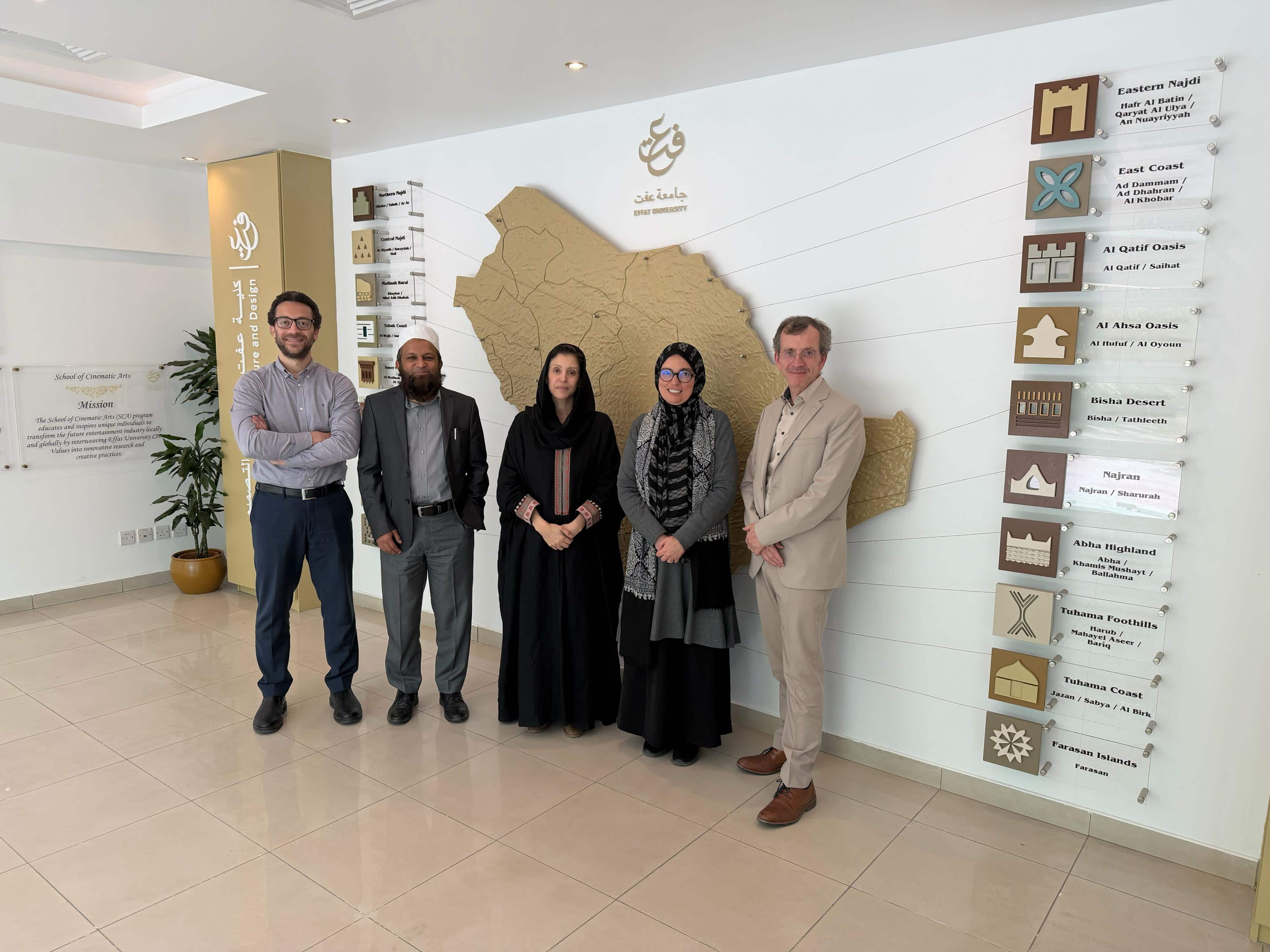
Listening Before We Build
There is a particular kind of conversation you can only have in person. Not the one where you present what you have decided, but the one where you find out what a partner is actually thinking — what they are trying to do, what they are worried about, where their curiosity sits. That is the kind of conversation we went to Jeddah for this week. HRH Princess Nourah Alfaisal, Adhlal's Founder and CEO, and I travelled to meet two universities that matter a great deal to us: King Abdulaziz University and Effat University.
Adhlal is a research centre focused on the future of the Saudi creative economy. Two things follow from that. The first is that we are trying to understand the creative economy — how it is structured, where value is made, where capability is built and where it leaks. The second is that understanding alone is not enough; the field also needs people with the skills and experience to carry it forward. We hold both of those at once, and neither can be done from a distance. It is why we treat in-person meetings — the listening, before the building — as part of the research itself, not as preamble to it.
King Abdulaziz University
Our memorandum of understanding with KAU sits with the Faculty of Human Sciences and Design. What I had not fully anticipated was how readily the conversation reached beyond it. Colleagues from other disciplines and faculties joined the dialogue, and the question on the table turned out to be one many of them recognised: why does researching the creative economy matter, and how do you build new talent across its many sectors rather than within a single one?
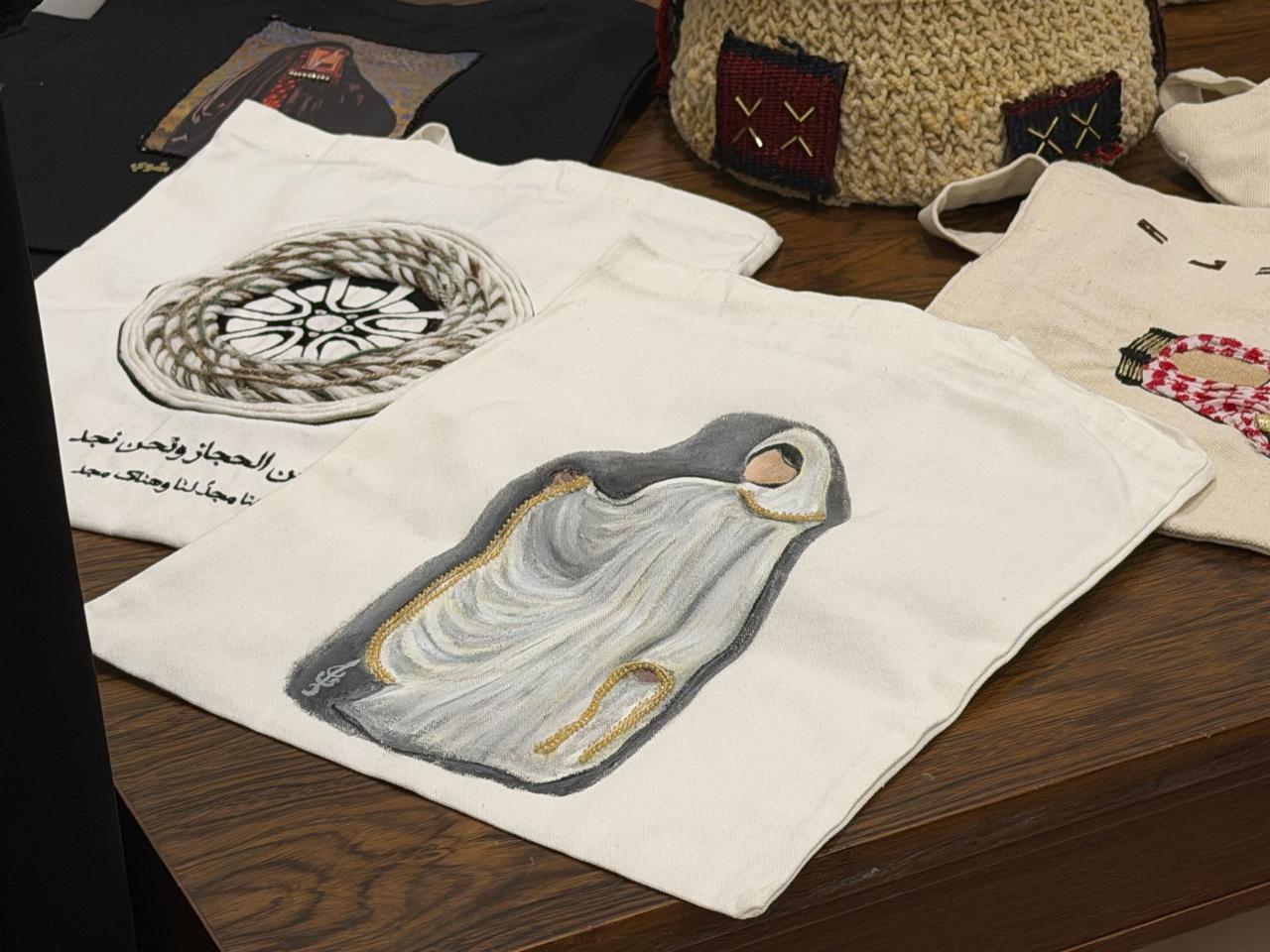
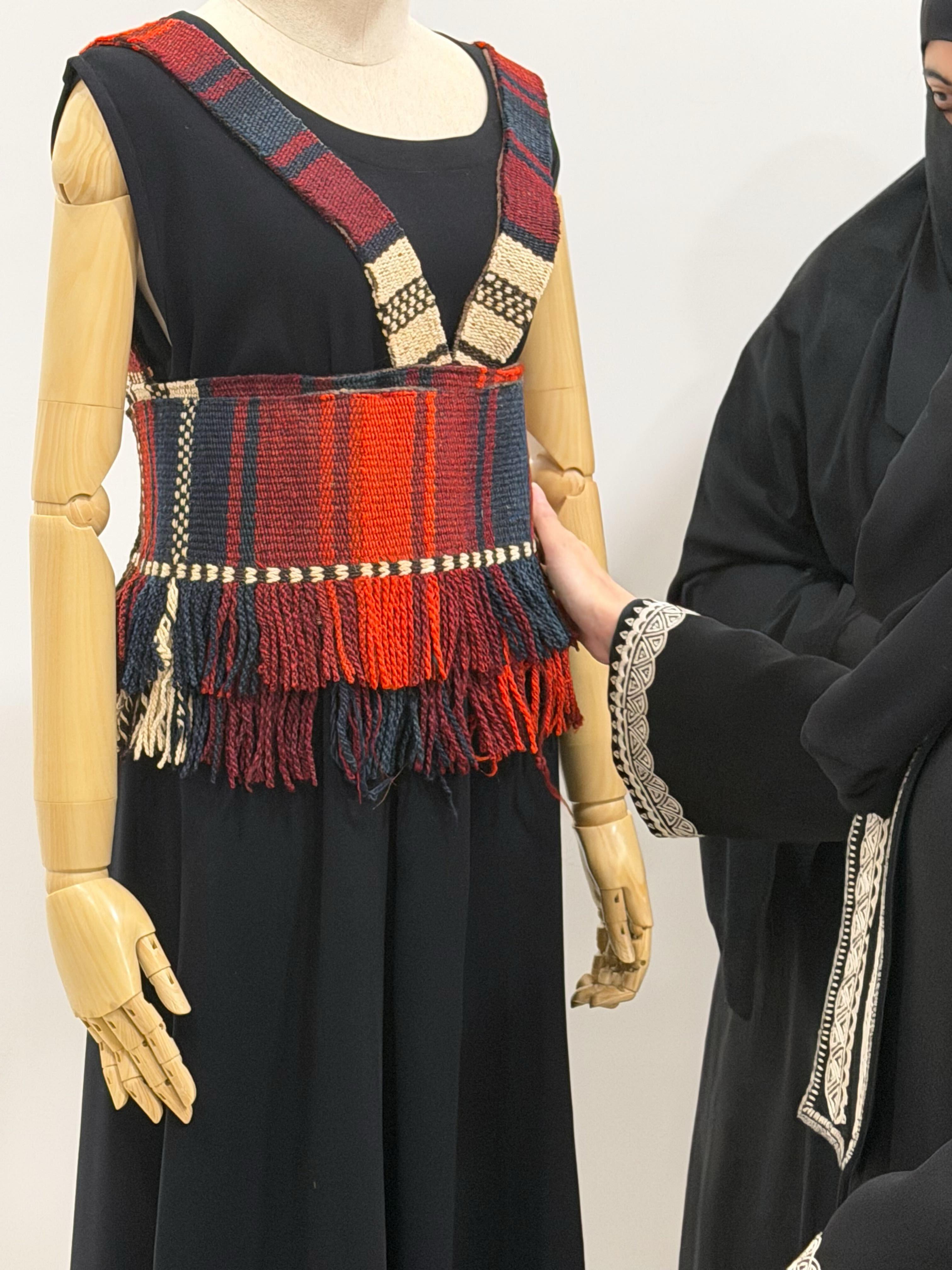
I felt the energy around that table. In the more interactive parts of the discussion we introduced some of Adhlal's Observatory themes, and how we think about translating industry insight into strategy and policy rather than letting it sit as observation. We also talked about something more immediate for students — the possibility of being involved in real consultancy work, and benefiting from joint initiatives that strengthen their readiness for the careers ahead of them. What stayed with me was not any single proposal, but the breadth of the room: the creative economy is genuinely cross-disciplinary, and the people there clearly felt that too.
Effat University
Effat is our longest-standing university partner, and a conversation there is also, inevitably, a conversation about how Adhlal itself has changed. We reflected on that openly. Our direction now is firmly that of a research institute concerned with the future of the Saudi creative economy — and our lens has widened. Where we once looked primarily at design, we now look across the creative sectors: their disciplines, their practices, and the practitioners working inside them.
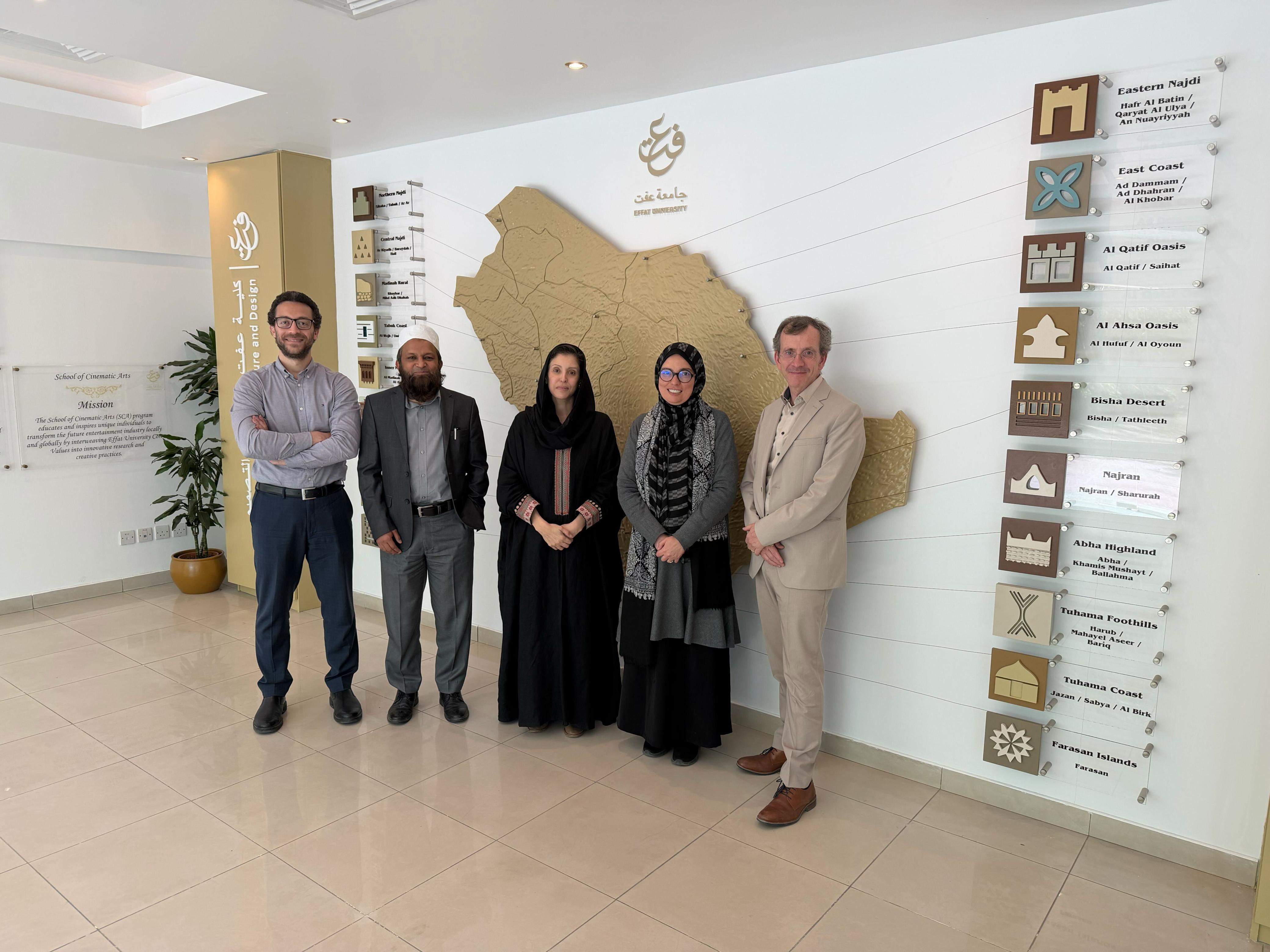
I will admit to a personal pride here. Years ago, with Effat's faculty and students, we helped place a small spark — a shift toward a practice-based, field-lab approach to design research, followed by real consultancy work undertaken by emerging and graduating students from the faculty of design and architecture. Working with industry partners — Shada Hotels, and PIF's AlBalad development company among them — turned that idea into something concrete: a way of building experience and professional confidence through real engagements rather than simulated ones. It is one of the clearest pieces of evidence we have that this model works, including at the level of how a programme itself evolves.
That experience is exactly the kind of thing we hope to carry into Adhlal's growing university network — not as a template to impose, but as a story other partners can adapt, so that more disciplines and affiliated sectors of the creative economy might benefit from the same approach. I look forward to cooking new impactful learning experiences with the team at Effat.
What we took away
Neither visit produced a list of conclusions, and that was the point. They produced something more useful: a clearer sense of where our trajectory and theirs genuinely overlap, and the trust that comes from sitting in the same room and thinking out loud together.
This journey to the Red Sea is part of something larger. We want to have conversations like these across the Kingdom's academic landscape — with the partners we already work with and with new and emerging ones, in Riyadh, in Dammam, and beyond. The creative economy is national in scale, and a research centre that takes it seriously cannot engage from a single city or a single relationship. Jeddah is one move in a broader engagement across Saudi academia, not a destination in itself.
Research and capacity-building only stay honest if they remain connected to the people forming the field. Effat and KAU are not an audience for that work. They are co-authors of it — as we hope our partners across the Kingdom will be. We are grateful for the time, the openness, and the energy, and we will keep building this the way we believe it should be built: slowly, properly, and with our partners rather than for them.
Jeroen, May 2026
related posts
comments (0)
log in to join the conversation. log in
no comments yet.